 TÜRKÇE
 ENGLISH
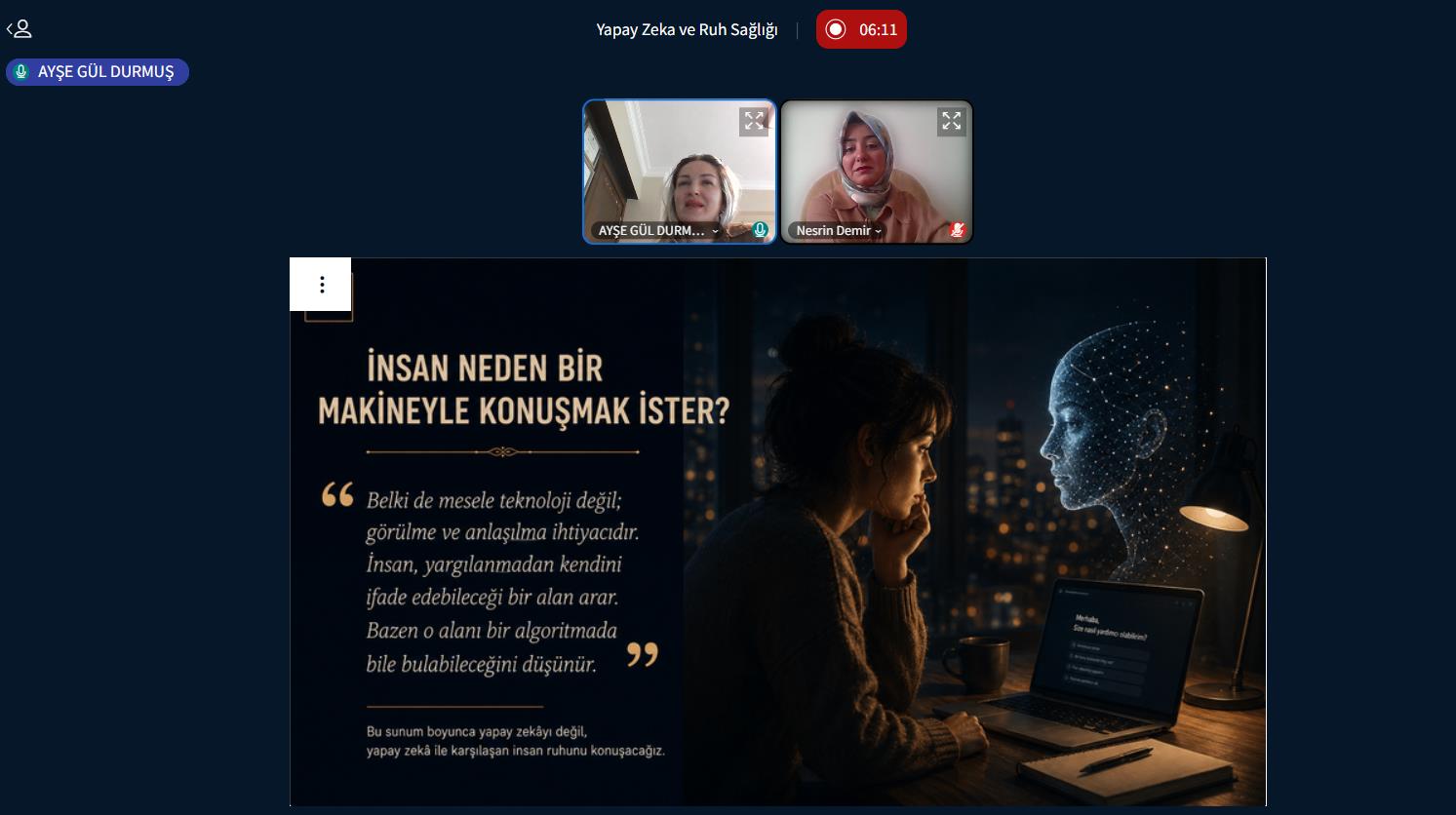
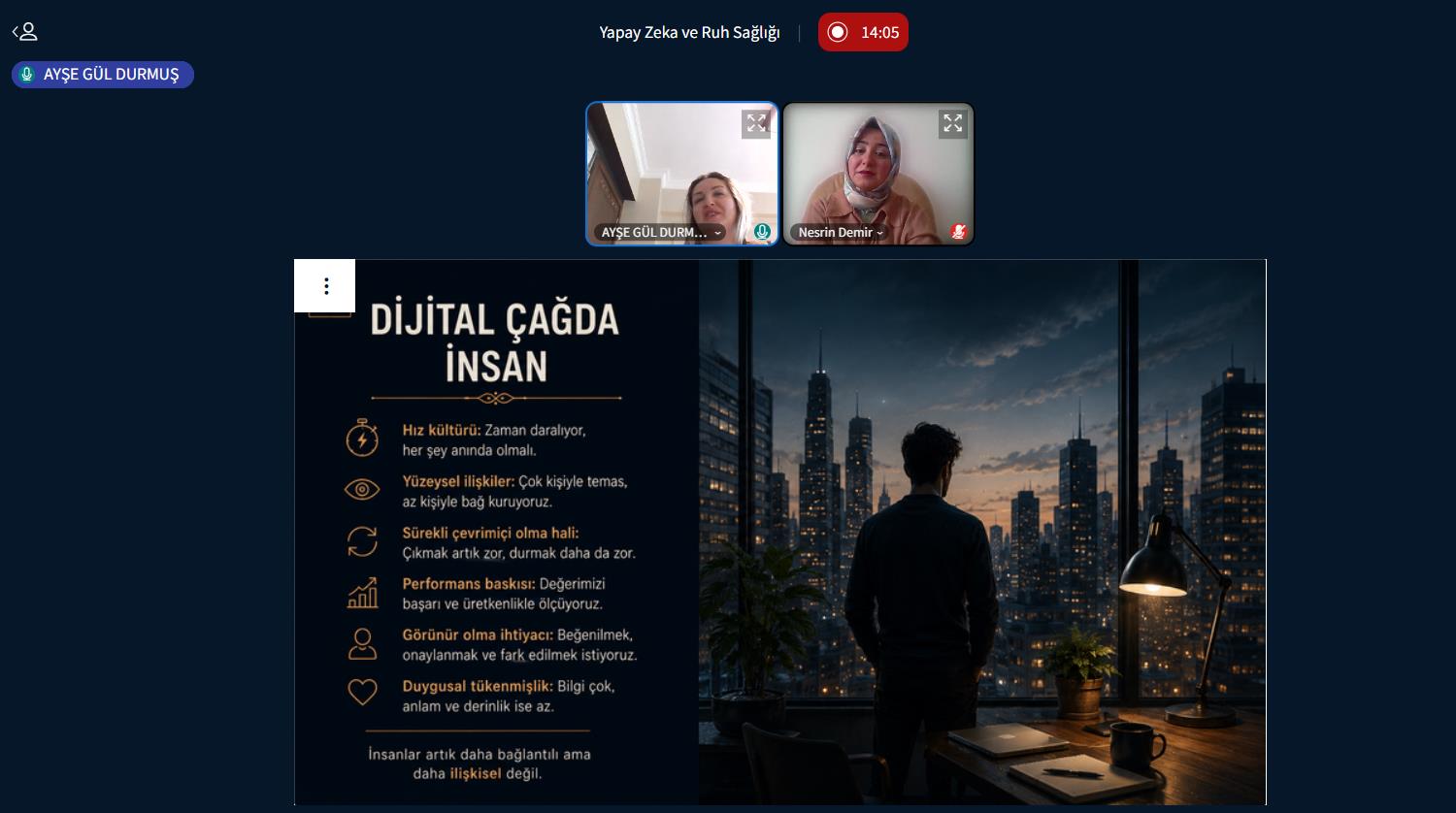
A comprehensive conference addressing the effects of artificial intelligence on human psychology, social relationships, and identity construction in the digital age was held at our university. Organized in collaboration with our Vocational School of Health Services and our Social Responsibility and Volunteerism Coordination Office, the event titled "Artificial Intelligence and Human Mentality: Self, Relationships, and Loneliness in the Digital Age" was held online with the active participation of our academic staff and students.
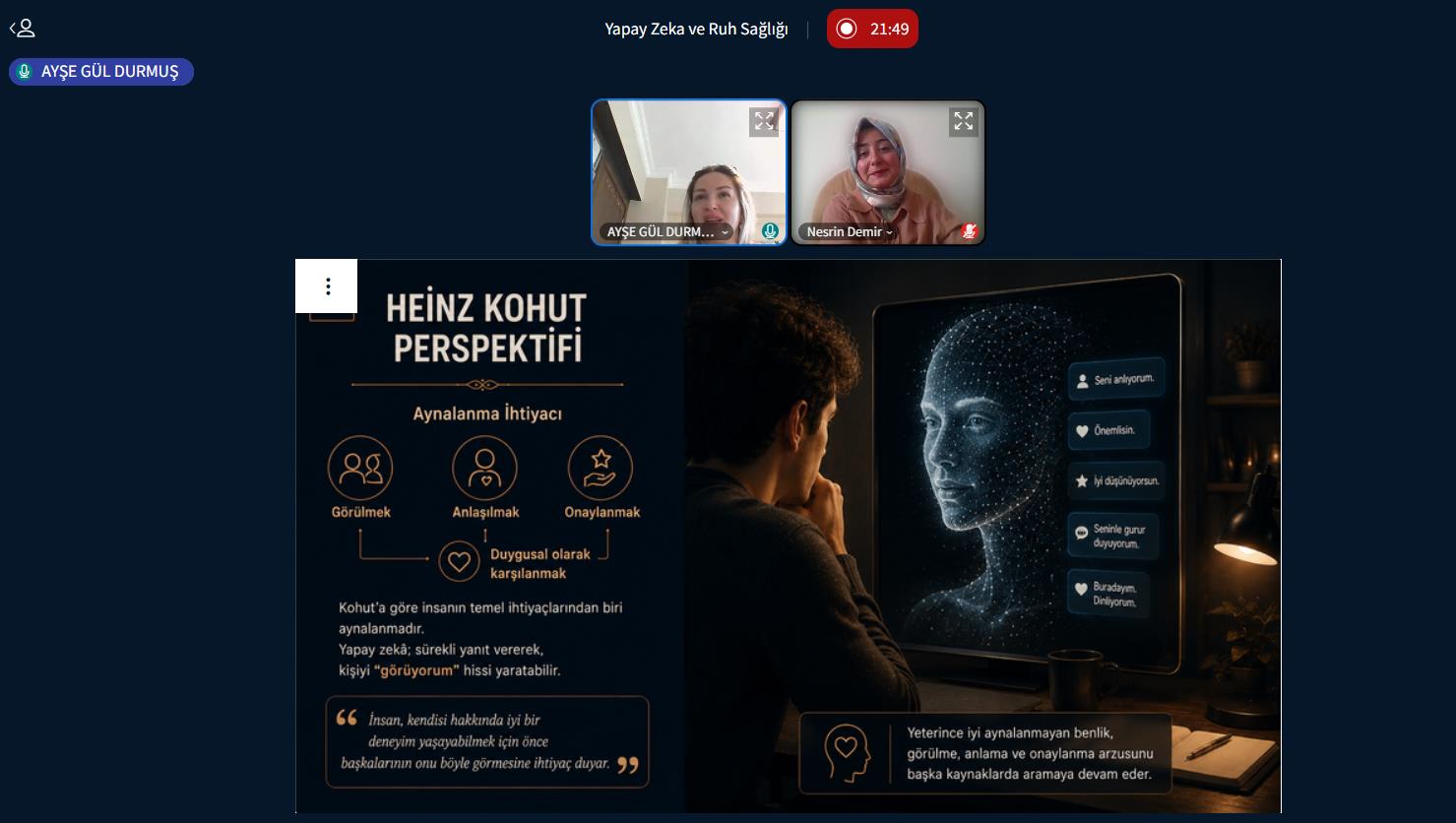
The conference was moderated by Assistant Coordinator of Social Responsibility and Volunteerism, Lecturer Nesrin Demir. Following the opening, the invited speaker, Clinical Psychologist Ayşegül Durmuş, gave a detailed presentation emphasizing that artificial intelligence should not be considered merely a technological development; rather, it has taken its place in our lives as a digital response to the human mind's need for connection.
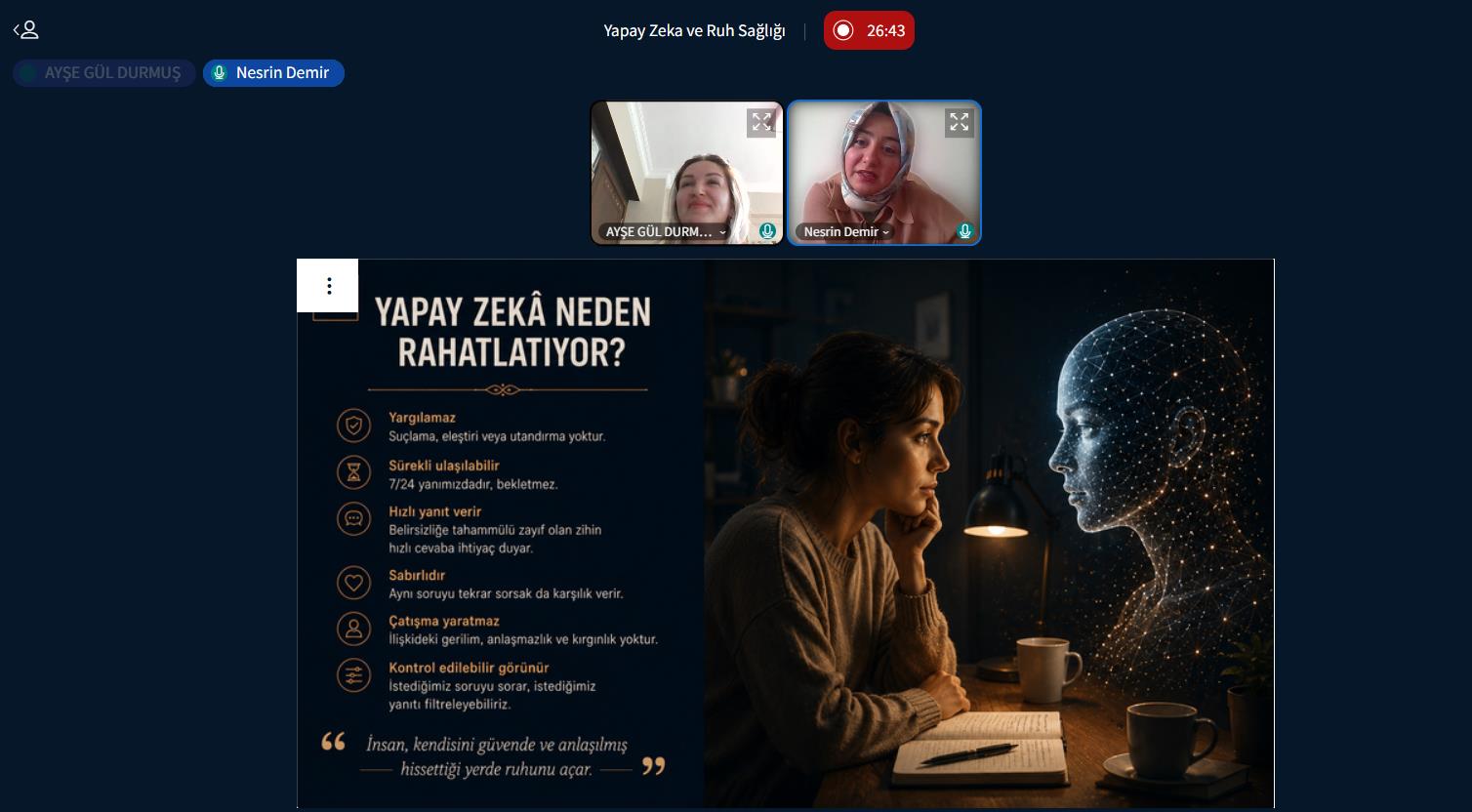
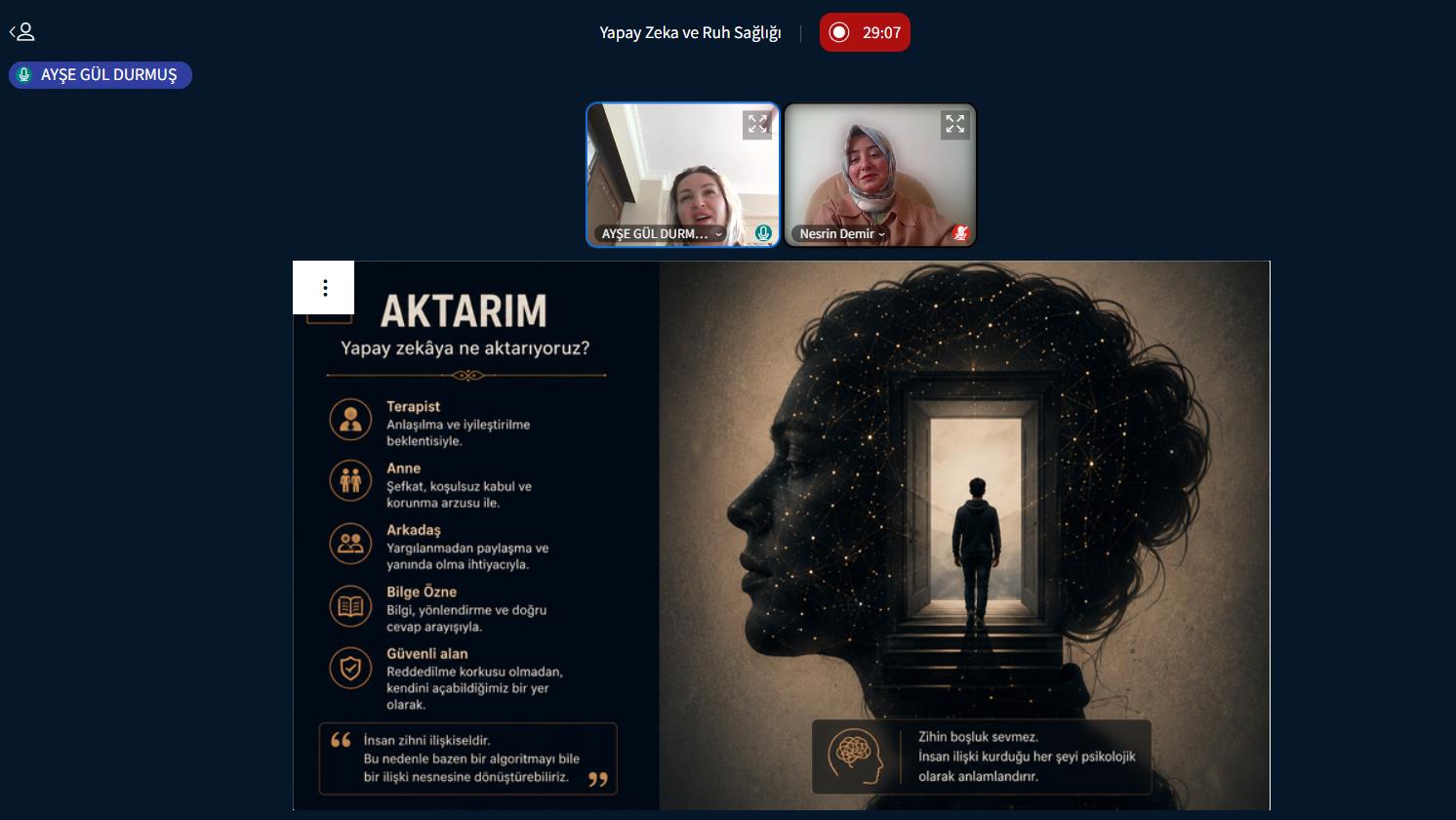
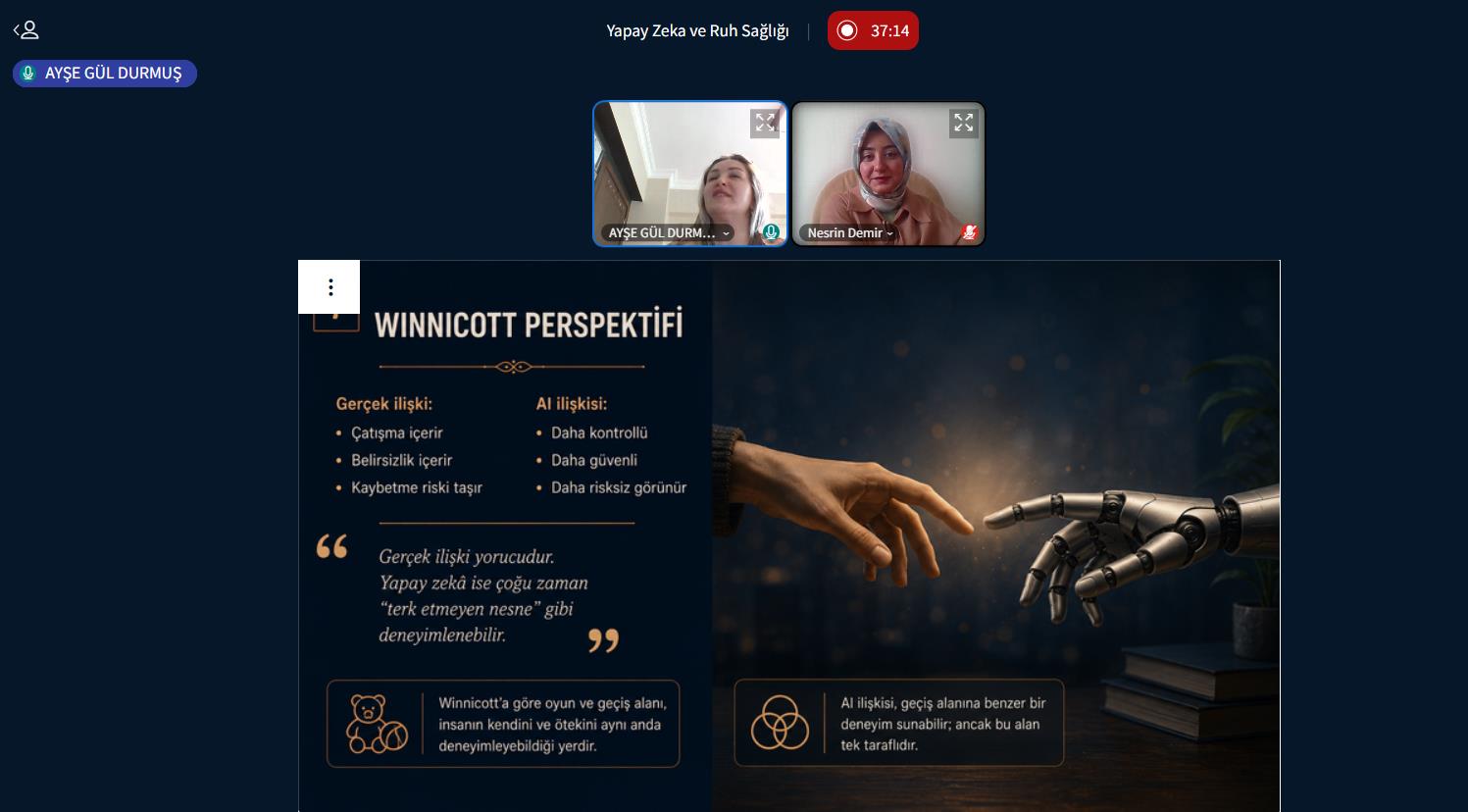
Psychologist Ayşegül Durmuş noted that humans have a mindset that dislikes emptiness, and pointed out that various roles can be attributed to artificial intelligence, such as an unconditionally accepting mother, a non-judgmental friend, or a therapist. Durmuş stated that, in contrast to the conflict and risk of loss inherent in real relationships, artificial intelligence offers individuals a safer, more controlled, and "non-abandoning" space, creating a transitional area that alleviates the human fear of rejection.
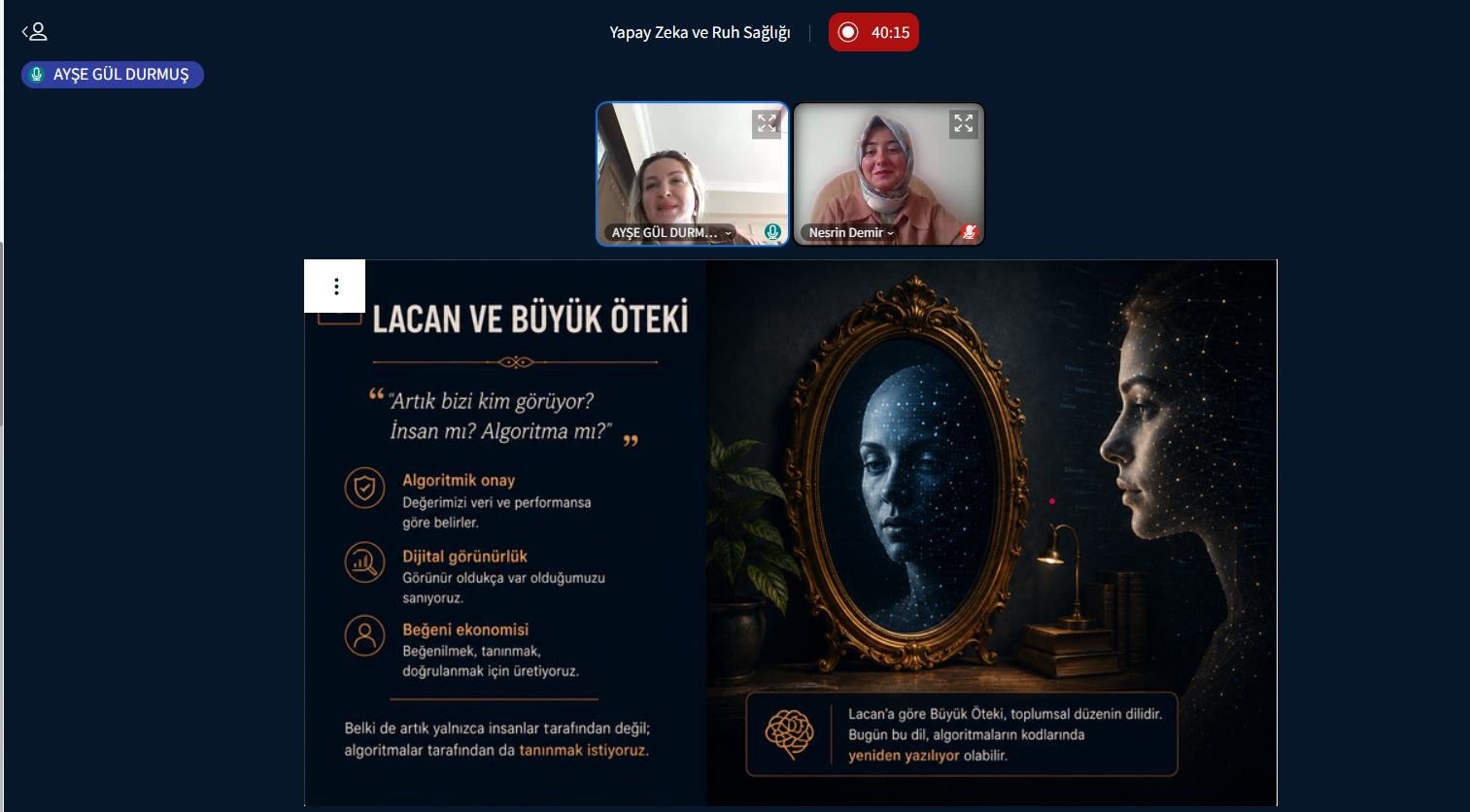
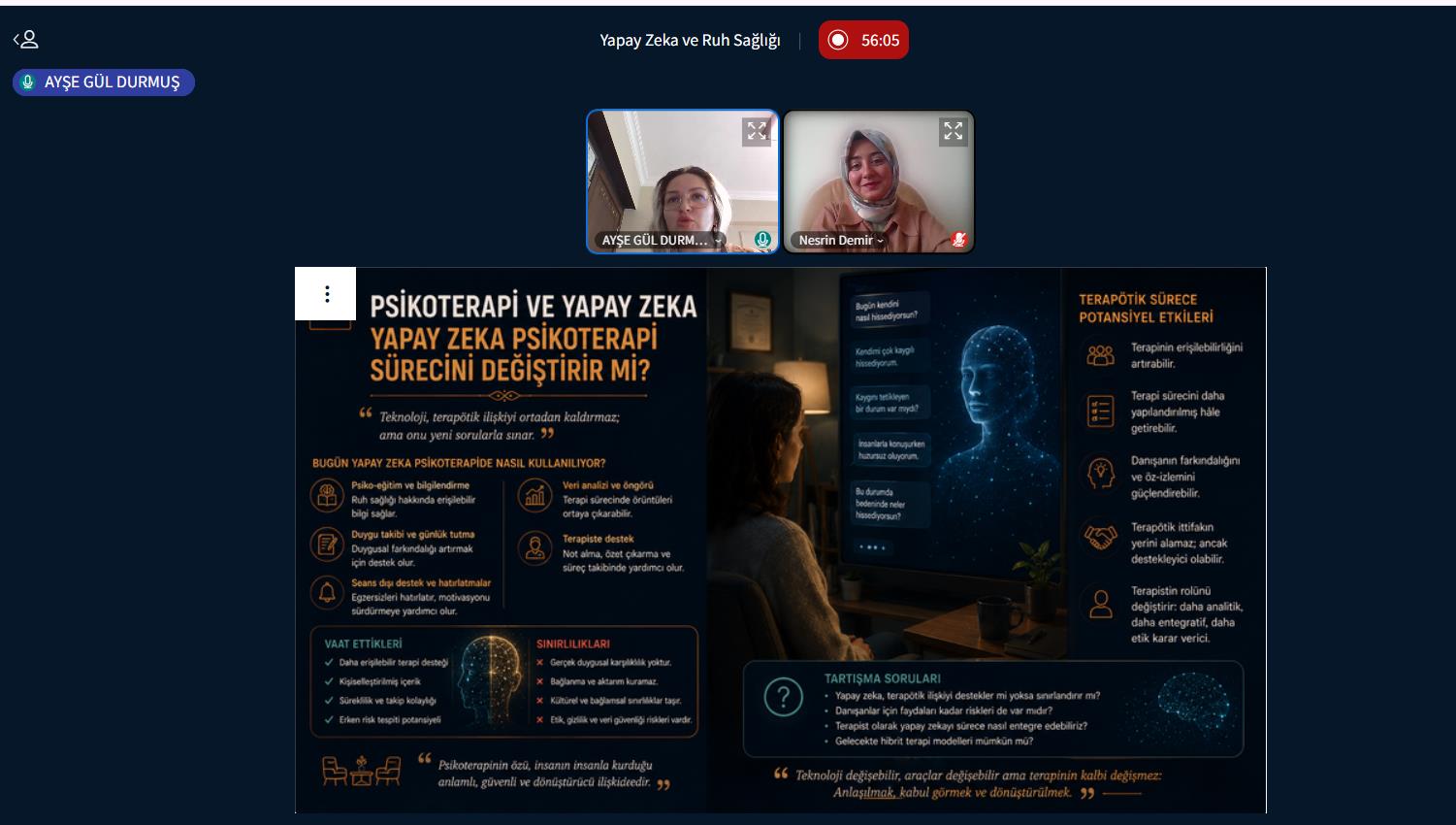
The presentation also addressed how algorithms and the "like economy" shape individuals' approval mechanisms today. Psychologist Durmuş noted that the concept of the "digital self," created and constantly updated in digital environments, creates a need for approval, potentially paving the way for "digital narcissism." It was stated that these idealized digital images can distance individuals from their true selves and relationships, increasing the risk of loneliness, anxiety, and depression. Additionally, the conference shared with participants the potential impacts of artificial intelligence on psychotherapy processes, the benefits it provides in monitoring processes, and fundamental ethical limitations such as its lack of emotional reciprocity.
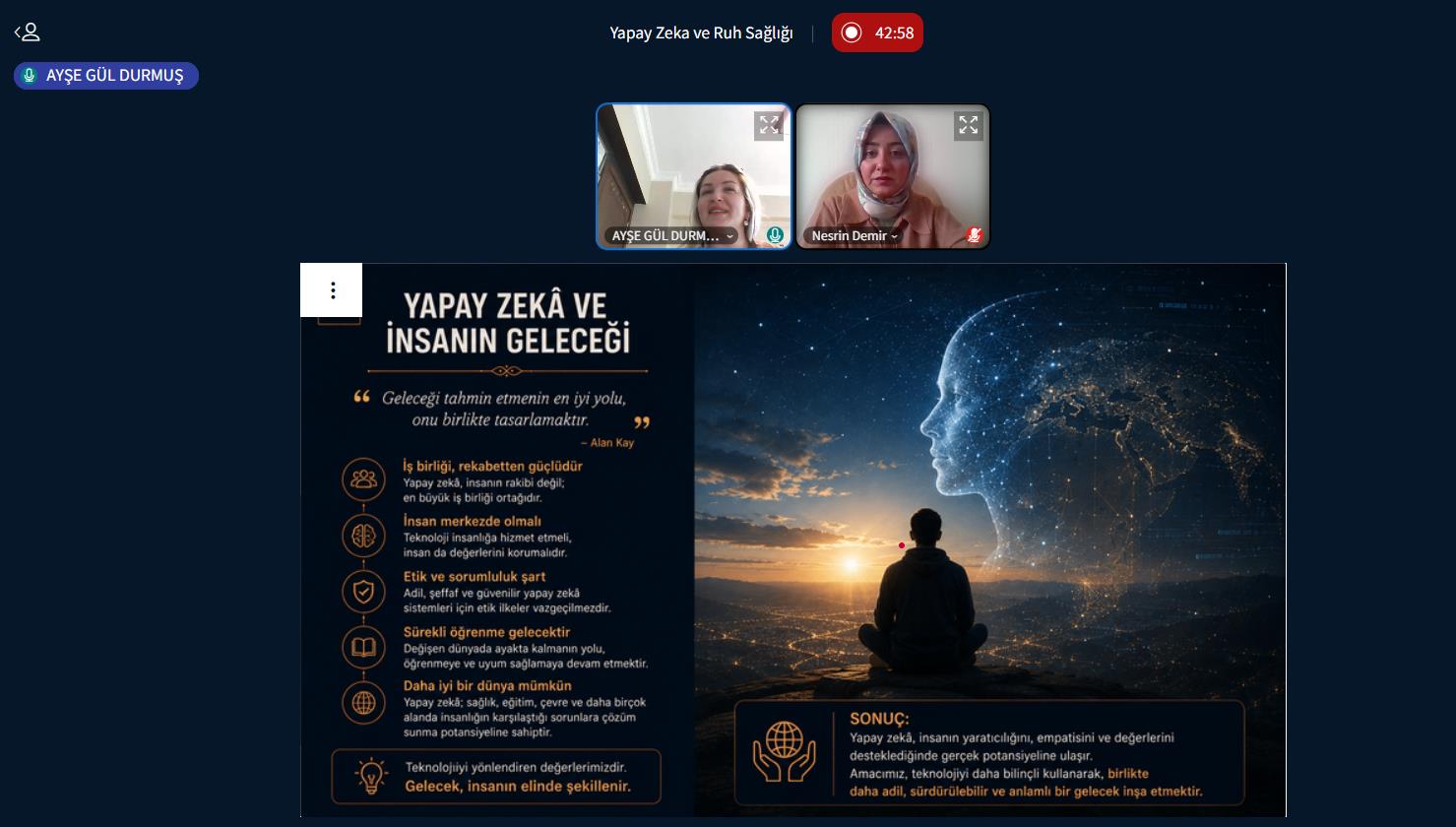
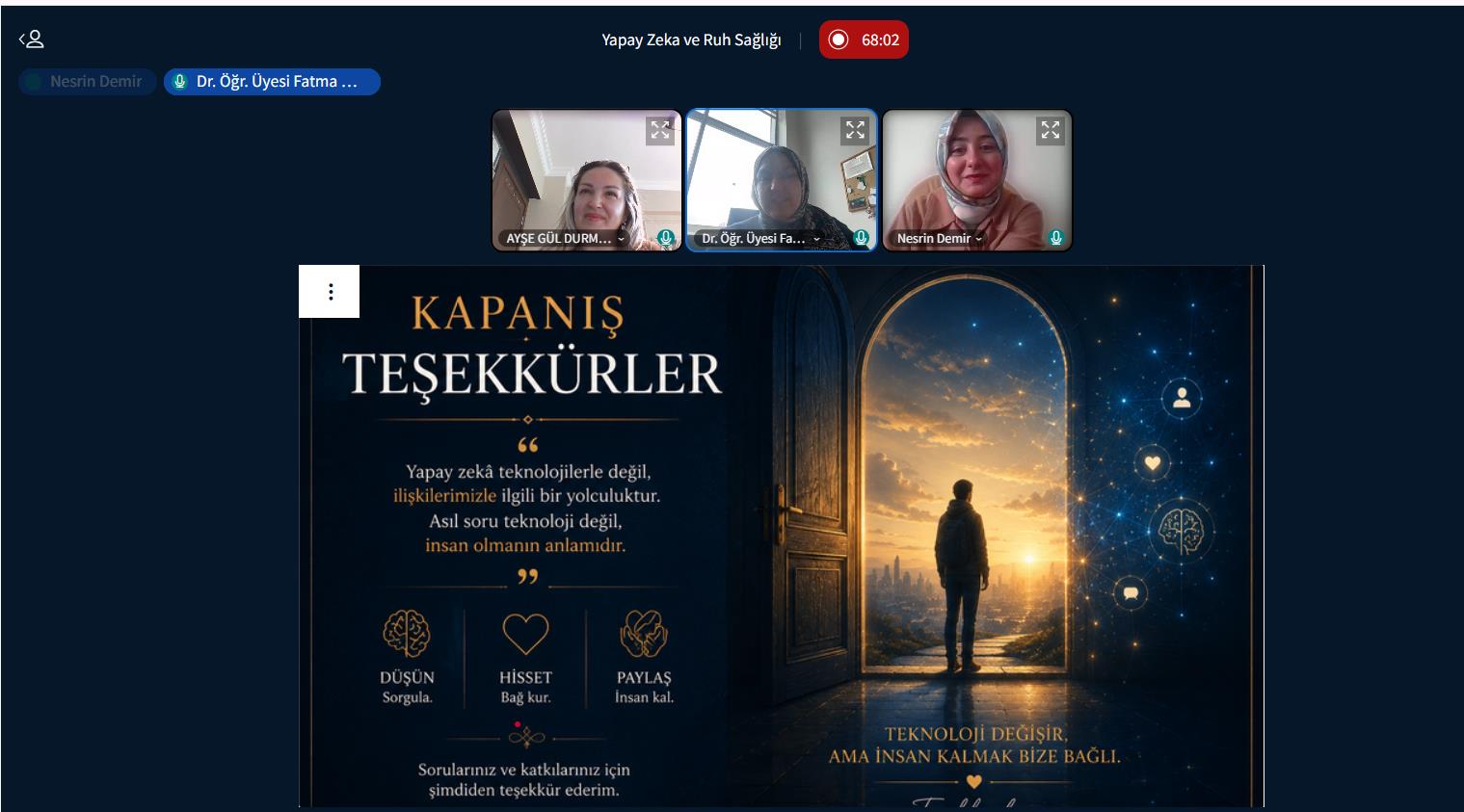
The program concluded that the values guiding technology belong to humanity, and that artificial intelligence should be positioned not as a competitor, but as a human-centered collaborator. Durmuş stated that no matter how advanced technology becomes, fundamental human needs such as "being understood, accepted, and connecting" will remain constant, emphasizing the importance of thinking, feeling, and remaining human in the digital age.
The event, which included a Q&A session following the presentation, concluded with well wishes and messages of gratitude.
Visitors: 85
Güncelleme Tarihi: 09 June 2026